Introduction
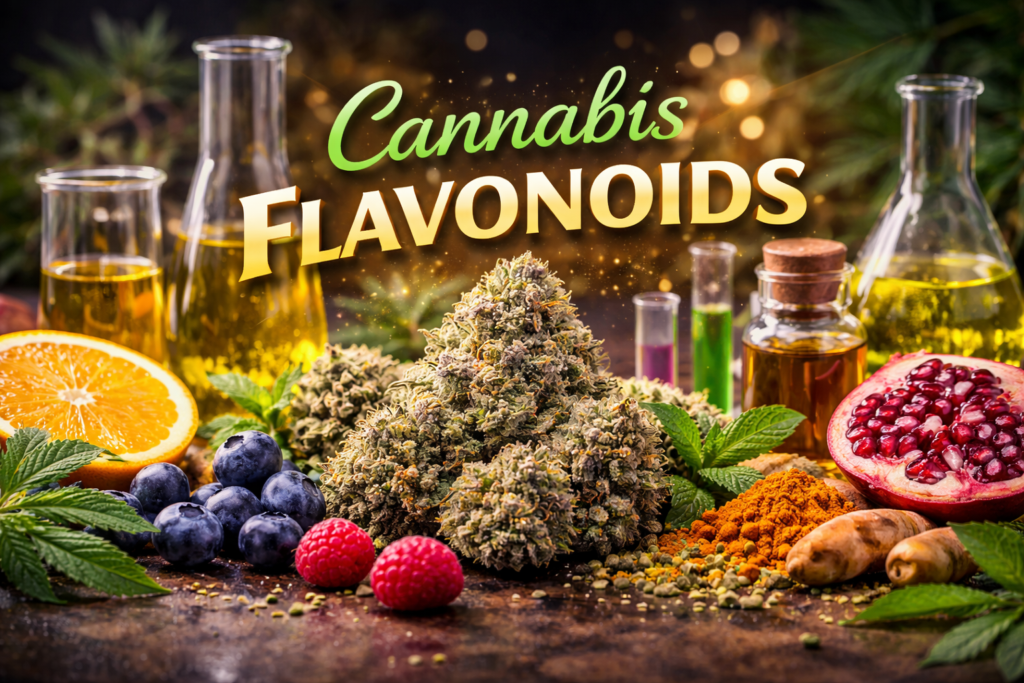
Cannabis is a complex plant that contains a wide array of compounds, including the well-known cannabinoids THC and CBD. However, there is another group of compounds that have been gaining attention in recent years: flavonoids. These colorful compounds, found not only in cannabis but also in fruits, vegetables, and other plants, have been shown to possess a range of potential health benefits. In this article, we will delve into the world of cannabis flavonoids, exploring their antioxidant, anti-inflammatory, and neuroprotective effects, as revealed by scientific research.
The Colorful World of Cannabis Flavonoids
Flavonoids are a diverse group of phytonutrients that give plants their vibrant colors. In cannabis, flavonoids are responsible for the purple, red, and blue hues that some strains exhibit. But beyond their aesthetic appeal, flavonoids play a crucial role in the plant’s defense system, protecting it from UV radiation, pests, and diseases (Andre et al., 2016).
Cannabis contains a variety of flavonoids, including quercetin, kaempferol, and apigenin, each with its own unique properties (Radwan et al., 2015). These compounds work synergistically with cannabinoids and terpenes, contributing to the entourage effect, which suggests that the therapeutic potential of cannabis is enhanced by the combined action of its various components (Russo, 2011).
Flavonoids as Powerful Antioxidants
One of the most notable properties of flavonoids is their antioxidant activity. Antioxidants are substances that protect cells from damage caused by free radicals, which are unstable molecules that can contribute to the development of chronic diseases such as cancer, heart disease, and neurodegenerative disorders (Lobo et al., 2010).
A study published in the journal “Phytomedicine” investigated the antioxidant potential of cannabis flavonoids, specifically quercetin and kaempferol. The researchers found that these flavonoids exhibited significant antioxidant activity, scavenging free radicals and protecting cells from oxidative stress (Slatnar et al., 2012). These findings suggest that cannabis flavonoids may have potential therapeutic applications in conditions associated with oxidative damage.
The Anti-Inflammatory Effects of Flavonoids
Inflammation is a natural response of the body to injury or infection. However, chronic inflammation can contribute to the development of various diseases, including arthritis, asthma, and cardiovascular disorders (Hunter, 2012). Flavonoids have been shown to possess anti-inflammatory properties, making them a potential target for the development of new anti-inflammatory drugs.
A study published in the “Journal of Natural Products” investigated the anti-inflammatory effects of cannabis flavonoids, specifically cannflavin A and cannflavin B. The researchers found that these flavonoids inhibited the production of pro-inflammatory cytokines, such as TNF-α and IL-1β, in human cells (Werz et al., 2014). These findings suggest that cannabis flavonoids may have potential therapeutic applications in inflammatory conditions.
Neuroprotective Properties of Flavonoids
Neurodegenerative diseases, such as Alzheimer’s and Parkinson’s, are characterized by the progressive loss of neurons in the brain. Oxidative stress and inflammation are thought to play a significant role in the development of these conditions (Chen et al., 2012). Given the antioxidant and anti-inflammatory properties of flavonoids, researchers have been investigating their potential neuroprotective effects.
A study published in the “Journal of Alzheimer’s Disease” investigated the neuroprotective effects of the flavonoid apigenin, which is found in cannabis. The researchers found that apigenin protected neurons from oxidative stress-induced damage and improved cognitive function in a mouse model of Alzheimer’s disease (Zhao et al., 2013). These findings suggest that cannabis flavonoids may have potential therapeutic applications in neurodegenerative disorders.
Conclusion
Cannabis flavonoids are a fascinating group of compounds that have been shown to possess a range of potential health benefits, including antioxidant, anti-inflammatory, and neuroprotective effects. As research continues to unravel the complexities of the cannabis plant, it is becoming increasingly clear that flavonoids play a crucial role in its therapeutic potential.
While more research is needed to fully understand the mechanisms of action and potential applications of cannabis flavonoids, the existing scientific evidence suggests that these colorful compounds may hold promise for the development of new therapies for a range of conditions, from inflammatory disorders to neurodegenerative diseases.
As the legal landscape surrounding cannabis continues to evolve, it is essential to prioritize research into the various compounds found in this versatile plant. By doing so, we can unlock the full potential of cannabis flavonoids and other phytochemicals, paving the way for innovative, plant-based medicines that harness the power of nature to promote health and well-being.