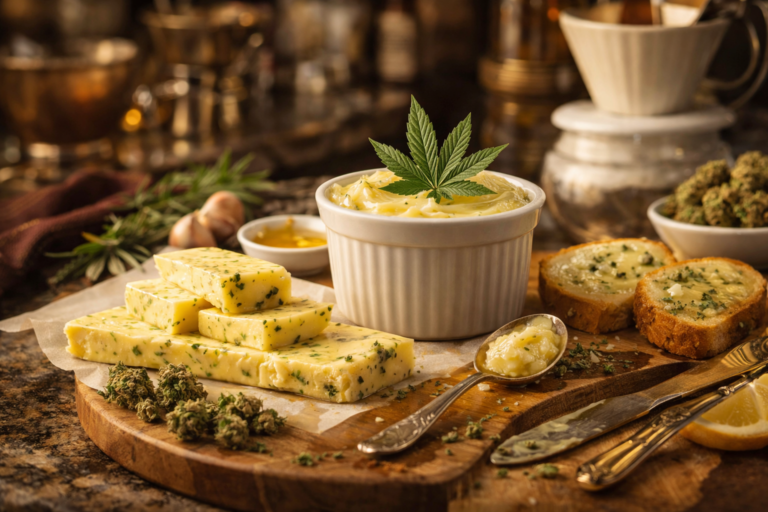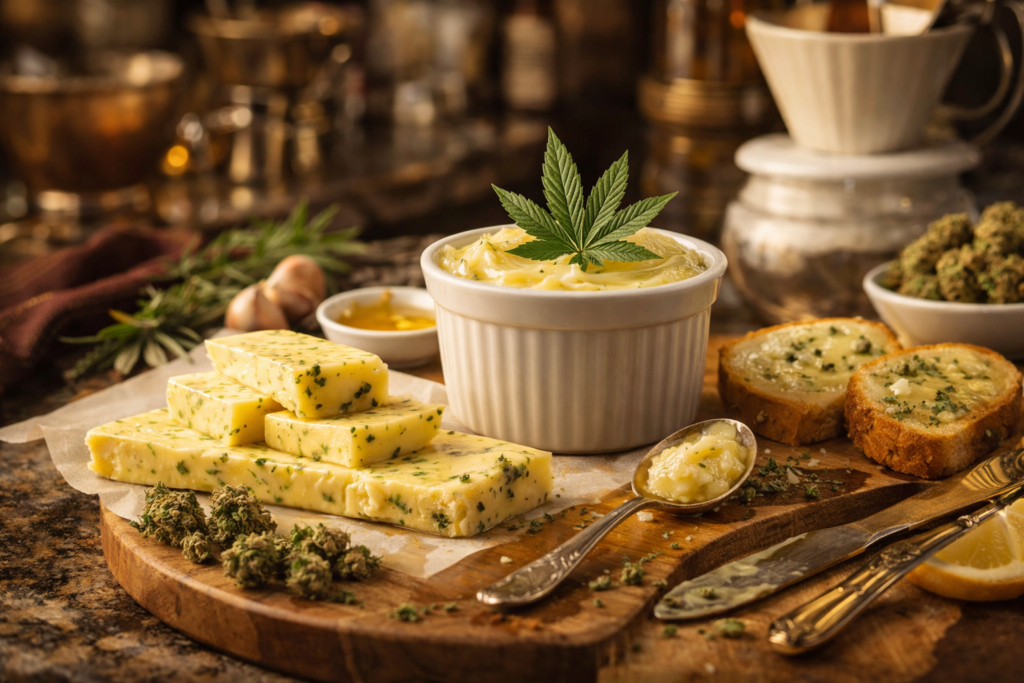
Cannabis-infused butter—often called cannabutter—has long been a cornerstone of homemade edibles. But beyond its reputation as a DIY staple, infused butter is a legitimate culinary ingredient capable of transforming everyday recipes into carefully dosed, flavor-driven experiences.
In this guide, we’ll explore how cannabis butter works, why it remains one of the most effective infusion mediums, and how to make a clean, versatile batch with consistency and care.
Why Butter Works So Well for Cannabis Infusions
Cannabinoids such as THC and CBD are fat-soluble, meaning they bind naturally to fats rather than water. Butter, with its high fat content, acts as an ideal carrier—capturing cannabinoids during infusion and delivering them efficiently when consumed.
Beyond chemistry, butter offers:
-
Neutral flavor compatibility
-
Broad culinary flexibility
-
Easy integration into sweet and savory dishes
-
Reliable dosing when prepared correctly
From baked goods to sauces and finishing fats, cannabis-infused butter is as functional as it is familiar.
Step One: Activating the Cannabis
Raw cannabis must be decarboxylated before it can be infused. This gentle heating process converts inactive cannabinoid acids into their usable forms.
How to decarboxylate cannabis:
-
Preheat oven to 230–240°F
-
Break flower into small pieces (avoid grinding too finely)
-
Spread evenly on parchment paper
-
Bake for 35–45 minutes, stirring once
-
Let cool completely
This step determines potency. Precision here leads to predictability later.
Step Two: Choosing Your Butter Base
Not all butter performs the same. Unsalted butter is typically preferred, as it allows greater control over flavor and salt levels in recipes.
For an even cleaner infusion:
-
Clarify the butter first (remove milk solids)
-
Use high-quality, grass-fed butter for smoother flavor
-
Consider ghee for extended shelf life
Higher fat content equals better cannabinoid retention.
Step Three: Infusion Process
Low and slow is the golden rule. Excess heat can degrade cannabinoids and introduce bitterness.
Basic infusion method:
-
Combine decarbed cannabis and butter in a saucepan
-
Add a small amount of water to prevent scorching
-
Simmer gently at low heat for 2–3 hours
-
Stir occasionally, never boiling
The water acts as a buffer, helping regulate temperature and improve final texture.
Step Four: Straining and Setting
Once infused:
-
Strain through cheesecloth or a fine mesh
-
Transfer liquid to a glass container
-
Refrigerate until solid
As it cools, the butter separates and hardens on top while the water settles beneath. Remove the butter layer and discard the water.
Dosing and Potency Awareness
Cannabis butter’s strength depends on:
-
Cannabis potency
-
Quantity used
-
Infusion efficiency
Start small—typically ¼ to ½ teaspoon per serving—especially if using in baked goods where effects may take time to appear.
Label clearly and store responsibly.
Storage and Shelf Life
-
Refrigerated: up to 2 weeks
-
Frozen: up to 6 months
Store in airtight containers away from light and heat to preserve potency and flavor.
How to Use Cannabis Butter
Infused butter opens the door to countless culinary applications:
-
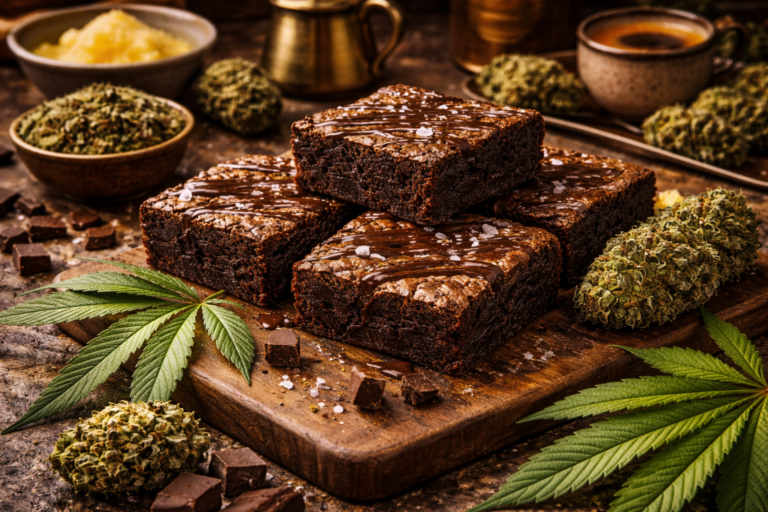
Cookies, brownies, and cakes
-
Savory sauces and pastas
-
Toasts and spreads
-
Mashed vegetables or risotto
Treat it like a finishing ingredient rather than a shortcut—subtlety enhances both flavor and experience.
Final Thoughts
Cannabis-infused butter is more than an edible base—it’s a culinary foundation. When made thoughtfully, it offers precision, versatility, and a refined way to explore cannabis through food.
As with all infused preparations, patience, measurement, and restraint matter. Master the method, and cannabis butter becomes a tool—not a gamble—in the kitchen.