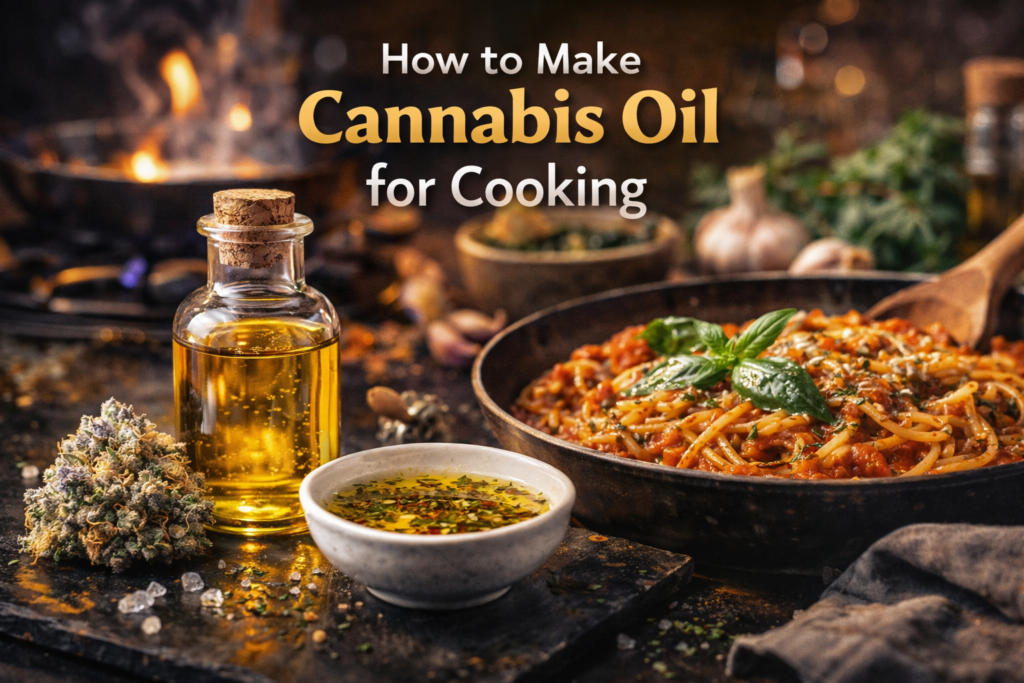
At Mottz, we believe great cooking – like great cannabis – is about balance, intention, and respect for the process. Cannabis oil is one of the most versatile foundations in infused cuisine, opening the door to everything from elevated pasta dishes to classic comfort food with a modern twist.
This guide walks you through a clean, reliable method for making cannabis-infused oil at home – no gimmicks, no guesswork. Just good herbs, good technique, and good taste.
Why Cannabis Oil?
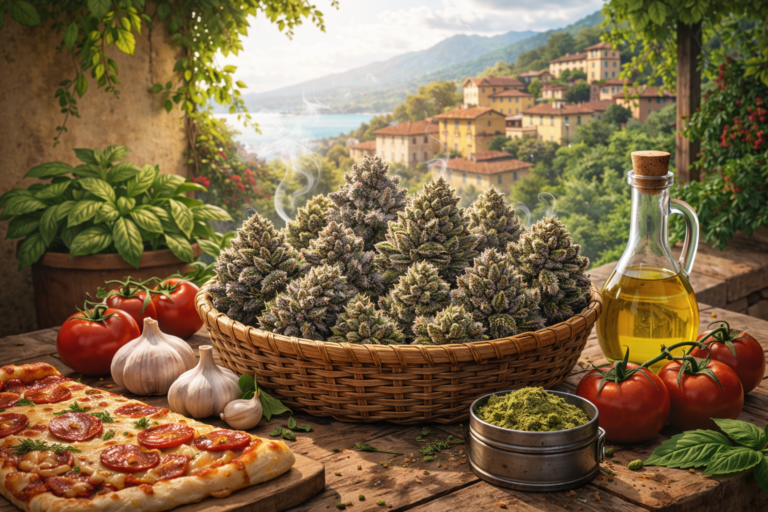
Cannabis oil is the backbone of infused cooking. It’s discreet, shelf-stable, and easy to dose once you understand your inputs. Unlike butter, oil integrates seamlessly into savory recipes and aligns naturally with Italian-inspired cooking – olive oil, garlic, herbs, and slow heat.
Use it as:
-
A base for sauces and dressings
-
A finishing oil for vegetables or pizza
-
A substitute for oil in most standard recipes
What You’ll Need
Ingredients
-
1 cup cooking oil
(Extra virgin olive oil is the Mottz standard, but avocado or coconut oil also work) -
7–10 grams cannabis flower (adjust based on desired strength)
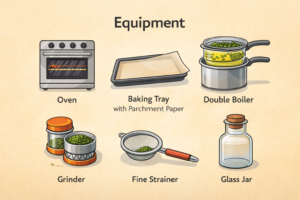
Equipment
-
Oven
-
Baking tray + parchment paper
-
Saucepan or double boiler
-
Grinder (coarse grind only)
-
Fine strainer or cheesecloth
-
Glass jar or bottle for storage
Step 1: Decarboxylate the Cannabis
Before infusion, cannabis must be activated through heat – a process known as decarboxylation. This converts THCA into THC, unlocking its effects.
How to do it:
-
Preheat your oven to 230–240°F (110–115°C)
-
Break up the flower gently (don’t powder it)
-
Spread evenly on a parchment-lined tray
-
Bake for 30–40 minutes, stirring once halfway
You’re looking for lightly toasted – not burned – herb with a dry, aromatic finish.
Step 2: Infuse the Oil
Low and slow is the name of the game. Rushing this step compromises flavor and potency.
Method:
-
Add oil and decarboxylated cannabis to a saucepan or double boiler
-
Heat gently on low (do not boil)
-
Maintain a temperature between 160–200°F
-
Simmer for 2–3 hours, stirring occasionally
The oil should warm, never fry. Think Sunday sauce – not sauté.
Step 3: Strain & Store
Once infused, remove from heat and allow to cool slightly.
-
Strain through cheesecloth or a fine mesh strainer
-
Press gently – don’t force plant material through
-
Transfer oil into a clean, airtight glass container
Storage:
-
Refrigerated: up to 2 months
-
Freezer: up to 6 months
Label clearly. Respect the craft – and the household.
Dosing: Start Low, Stay Sharp
Potency varies based on flower strength and quantity used. If you’re new to infused cooking, approach with intention.
Best practice:
-
Start with ½ teaspoon per serving
-
Wait 1–2 hours before increasing
-
Keep infused oil separate from regular oil to avoid mix-ups
This is enhancement, not excess.
Cooking With Cannabis Oil, the Mottz Way
Cannabis oil performs best in low-to-medium heat applications. Avoid deep frying or high-temperature searing.
Ideal uses include:
-
Pasta sauces & marinades
-
Drizzled over pizza or focaccia
-
Salad dressings
-
Roasted vegetables
-
Finishing oil for meats or fish
Flavor matters. Let the food – and the flower – speak.
Final Thoughts
Infused cooking is where cannabis culture meets culinary tradition. When done right, it’s subtle, social, and sophisticated – not overwhelming.
At Mottz, we champion craftsmanship, heritage, and thoughtful indulgence. Cannabis oil isn’t about getting lost – it’s about elevating the moment.
Cook with care. Dose with respect. And as always – extra quality, extra intention.